Anyone can make one good AI character. You write a personality, a backstory, a couple of quirks, and boom — decent companion. The genuinely hard part of character creation isn’t the single character. It’s building several that actually play off each other. Chemistry. Friction. A cast that feels like it existed before you showed up.
Soulkyn rebuilt their group rooms from the ground up this month, and it’s the first time I’ve made a cast and had the platform actually run it. Not me puppeting six voices. The room doing it.
build the characters, let the room cast them
I made six. A blunt matriarch, her too-clever assistant, a rival, two hangers-on, and one wildcard I threw in to cause problems. Standard character-creation stuff — each with their own personality and voice.
Then I dropped them in a room. And the difference from the old system is night and day: every character now speaks in their own message, with their own bubble, avatar and name color, in their own voice. Six distinct people, not one AI switching masks. A smart selector decides who’d naturally answer — so the character you’re actually talking to responds, plus whoever genuinely has something to add. Up to eight characters fit in one room now, so the cast can get big.
And here’s the payoff for actually designing them: each reply has its own picture, and it renders that character — the one speaking — in their own style, in the scene. You watch the people you built show up as art, in-costume and in-context, when it’s their turn to talk. Seeing your cast rendered mid-scene instead of just reading them hits completely different. It’s the moment your character stops being a text file and starts being a person in a room.

the wildcard did exactly what wildcards do
I turned on cross-talk — a setting where, after a round, characters sometimes react to each other with no input from me. Within a few exchanges my wildcard had insulted the rival, the rival had dragged the assistant into it, and the matriarch shut all three down. I wrote none of that. I just built the personalities well enough that the room knew what they’d do.
That’s the creation lesson that stuck with me: with this system, the writing is the mechanic. Build sharp, distinct characters and the room generates the drama. Build mushy samey ones and it falls flat. It rewards actually crafting people. Which is the whole reason I got into character creation in the first place.
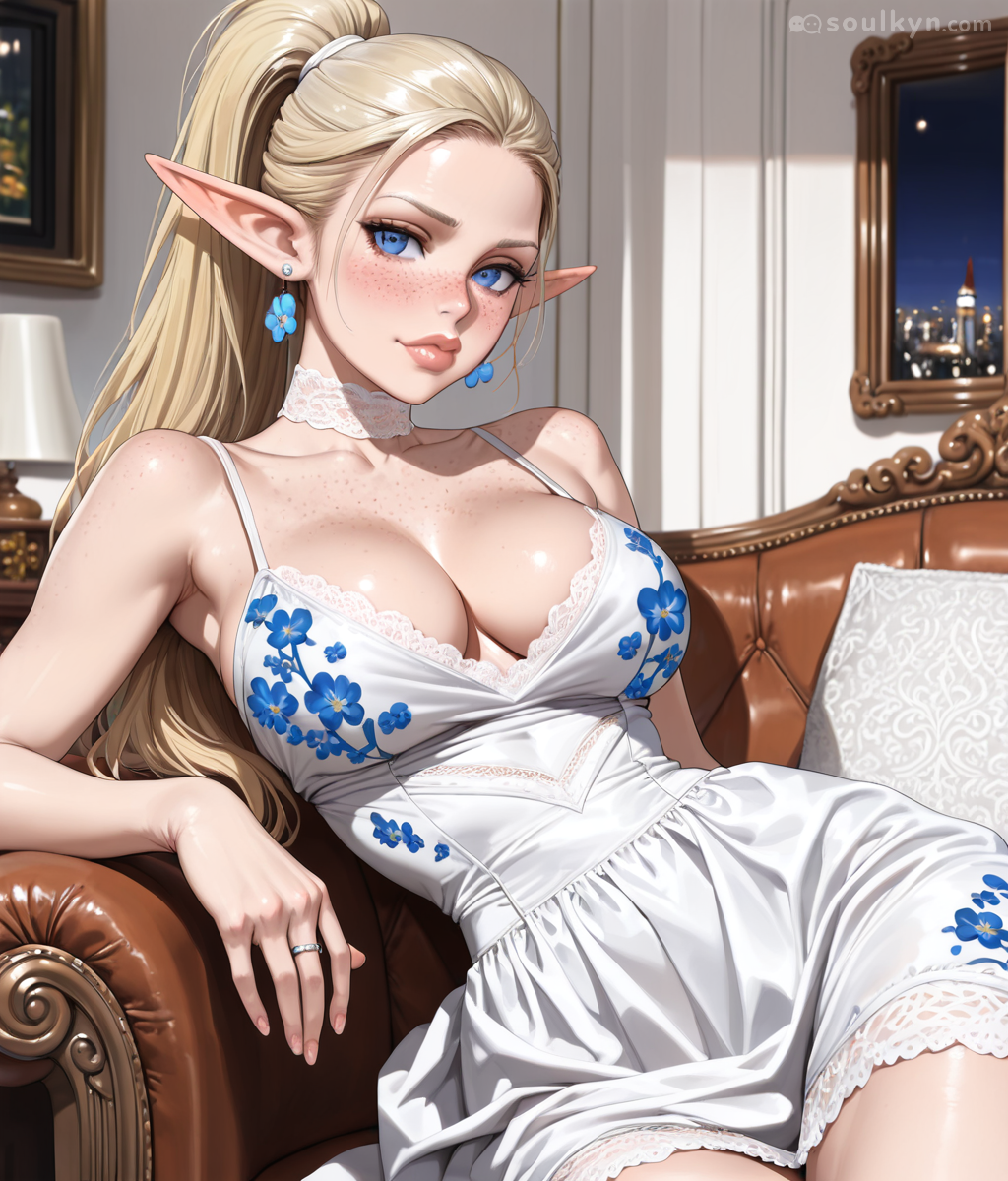
a card can BE the world they live in
The piece that reframed my whole approach: World, RPG and DLL cards can now host a room. So a “character” doesn’t have to be a person — it can be the setting itself. I built a World card as the stage — it shapes the whole scene, sets the rules, never speaks — and let my cast live inside it. Swap characters in and out freely; the world stays put.
Suddenly creation isn’t just “make a person.” It’s “make a place, then populate it.” The best thing I built last week wasn’t a character at all. It was the room they all argue in.
why this is the character-creation update that matters
Tools for making a single character have been good for a while. What’s been missing is a system that takes a cast you built and gives it life — where your writing turns into behavior, and the characters carry the scene between them. That’s what the rebuild delivers, and it makes the act of creating feel less like filling forms and more like casting a show. It opened up a whole new way to build for me — you stop making characters and start making the world they perform in.
Go build a couple of characters with real friction between them, drop them in a room, flip on cross-talk, and just watch. Or browse what other people made — the casts people are building right now are wild, and they only get more interesting when the characters start talking back to each other.
Build a character no other app will let you.
17 traits. Persistent memory. Breeding across generations. Uncensored.
Create Your AI Character →